
My Feelings & Emotions
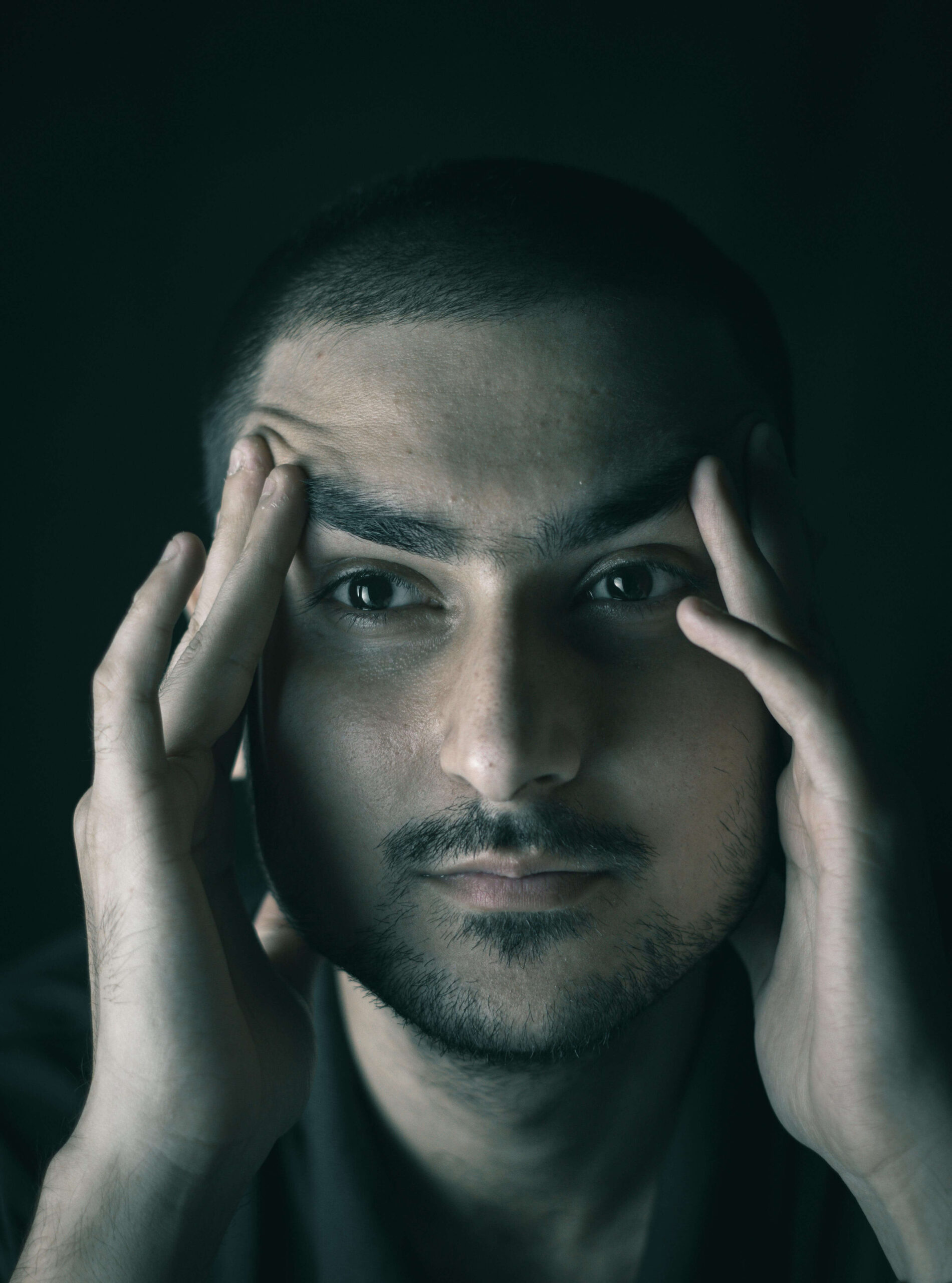
Noticing Your Feelings & Emotions
Feelings like happiness, anger, sadness, or excitement are normal and help you understand what’s going on inside you. What matters is noticing your feelings and finding healthy ways to deal with them. Here are some feelings others have expressed.
- Hopefulness about finding a new normal and finding a new balance, even if that looks different than it used to.
- Optimistic that treatments or lifestyle changes could help you feel better.
- Relieved to finally know what’s going on.
- More in control and confident about making choices about what to do next, and what you can do day to day.
- Empowered to speak up, ask questions, and be an active and informed part of the decision-making process.
- Stronger because you’ve learned how to stand up for yourself and express what you need/how you feel.
- Acceptance and adaptation comes with finding ways to adapt to your new normal, embracing what’s changed, and focusing on what you can controlled.
- Gratitude for your health, your people, and life in general after facing a health challenge – focus on even the small wins.
- Thankful for support from family, friends, or even healthcare workers who have had your back.
Facing Challenging Feelings and Emotions
Some feelings and emotions people experience might be labelled as more difficult, unpleasant, and challenging. It may be the first time you are experiencing these feelings. All feelings are important to explore.
- Shock and disbelief after getting a diagnosis or learning about your prognosis; it may take time for it all to really sink in.
- Not wanting to talk about your diagnosis or condition – you might worry about being labelled, judged, or treated differently.
- Feeling totally overwhelmed and unsure about what to do next or how to make the right decisions when dealing with treatment options.
- Anger at the health care system – particularly if things were misdiagnosed, delayed, or your care feels confusing or unfair.
- Feeling uncomfortable in your own body – changes from meds or illness (like weight changes, hair loss, or speech changed) can really mess with your self- image.
- (FOMO)Feeling left out or alone, especially when you’re missing out on school, social events, milestones, or having to pull back from your friends.
- Judgement and stigma of being different, and that people are treating you differently.
- Feeling guilt for burdening your family or friends by relying on them or causing them stress.
- Fear of the unknown and anxiety about your future, potential complications, or how life may change.
- Sadness from lack of acceptance by others because of changes to your identity caused by illness or injury.
- Grief over the like you planned – whether its school, travel, sports, or just how things were before.
- Feeling “behind” – comparing yourself or peers who seem to be progressing faster (in school, careers, relationships etc.) and feeling left out or behind because of your health.
- Discomfort talking to adults about personal issues – feeling awkward or dismissed when trying to advocate for yourself with doctors, teachers, or even family members.
- Pressure to “stay positive”, feeling like you can’t express how hard things really are because others expect you to be strong.
- Uncertainty about dating or relationships – worrying about how or when to talk about your condition with a partner, or dear of being rejected because of it.
“Facing health changes, challenges, or a new diagnosis can bring many different emotions, and it’s important to remember that everyone’s experience is unique. The creators of Mywell Health, who have lived with chronic conditions or supported loved ones through health struggles, have listed some of the feelings and emotions they have dealt with. We have listed them here – for you reflect on what resonates with you to help you better understand your own feelings and emotions.”
Tip
Consider finding that one person you can talk to about your feelings. Ensure you feel safe, validated, and understood. Add your emotional and mental health concerns to your Health Profile.
Adult Toolbox
Using Your Phone



Contacts app to list your friends and people you can call!
Notes app to journal your feelings.
Search app using Help Starts Here a directory of mental health and addiction services in BC.
“My journey has been frustrating at times for sure. I think the most difficult time was not having a diagnosis for all my pain and discomfort. Once I was diagnosed with rheumatoid arthritis I felt relieved I had an answer then sad, mad, and frustrated. After a couple months of feeling low and depressed, I made an effort to learn as much as I could about RA. One important connection I made was with a physiotherapist at the Arthritis Clinic. She shared stories of how people had overcome the limitations of their disease and helped me set up an exercise program. There was something in the fact that I was not alone, other people suffer too, and I had choices on how to help myself.”
Strategies for My Emotional Wellness
Expressing Your Feelings
- Reflect on your feelings.
- Write down your thoughts and emotions. Identify both positive and negative situations and the feelings that they evoke.
- Give yourself permission to grieve. Whether a loss of health, lifestyle, or plans, it is important to mourn those changes. Learn about ways to cope with your grief and loss.
- Consider keeping a reflection journal or calendar to list your feelings each day, both positive and negative. State what strategy you chose to use and if it created a positive feeling or emotion.
Seeking Emotional Support
- Share your thoughts, feelings and emotions with friends, family, or care partners.
- Consider asking for support from a cultural spiritual advisor for strength, peace, and perspective when facing a health crisis.
- Look into support groups, in person or online, to connect with others who are going through similar experiences, reduce feelings of being alone, and provide validation of your feelings. Be aware that support groups are not for everyone. Read about personal boundaries and strategies on how to engage in support groups in the resource kit.
- Define and protect your personal boundaries and privacy and confidentiality. Know what you want to share, when, and with whom.
Practicing Mindfulness and Relaxation
- Learn about how mindfulness and meditation practices can help you stay in the present moment and reduce fear and anxiety.
- Explore the use of breathing techniques to help calm your nervous system and reduce feelings of stress or panic.
- Consider trying yoga, chair yoga, Pilates or Tai Chi to learn relaxation and breathing techniques. Many classes are available online at no charge.
Trying to Be Active and Engaged.
- As able, try to participate in a physical activity every day, while listening to your body and its limitations.
- Write about your feelings as an outlet for your emotions and to organize your thoughts and reflect on your experiences.
- Consider trying art, music, painting, or crafts to help release emotions in a non-verbal way.
- Plan your day to include activities that bring you joy and calm. Make your peace and happiness a priority.
- Consider volunteering and helping others. Others have expressed that sometimes the best way to help ourselves is to help others.
Focusing on Healthy Friendships
- Focus on friends who are willing to listen without judgment and can provide a safe space for you to express these feelings.
- Keep some normalcy in your life by scheduling activities with friends who knew you before your diagnosis or do not know about your condition.
- Ask friends you trust and who you feel safe with to be a care partner and to help meet some of your health needs.
Practicing Self-compassion
- Be kind to yourself by acknowledging that you are doing your best under difficult circumstances.
- Speak to yourself the way you would speak to a loved one facing the same challenges.
- Try to focus on what you can control by setting small, manageable goals, and then celebrate your accomplishments.
- Give yourself permission to feel emotions, be angry, and grieve as you need.
- Make a list of your strengths, examples of resilience, and the things you have already overcome.
- Practice asking for help, when needed, from your friends, care partners and health advocate.
Finding Positive Energy & Gratitude
- Seek out humour by watching a funny show/movie, listening to a comedian, or spending time with someone who makes you laugh.
- Try to find the joy in small moments of daily life, for yourself and with the people you love.
- Practice reframing experiences by finding the positive things in the moment.
- Explore practicing gratitude at a specific time each day. Stop, take a moment, and reflect on three things you are grateful for. Consider writing them down to re-read on more difficult days.
- Actively think about and plan things to look forward to.
Exploring Complementary Therapies
- Explore different therapies that can relieve symptoms and pain even if just for a short period of time.
- Consider complementary therapies such as acupuncture, massage, or aromatherapy to help relieve stress and physical discomfort.
- Engage in mindfulness meditation to help focus your attention on the present moment reducing stress and providing a state of calm.
Recording Your Chosen Coping Strategies
- List the methods or strategies you are currently using to improve or manage your emotional health.
- Reflect on the effectiveness of these coping strategies. Are there any that work better than others?
- List your care partners and support network, such as family, friends, or therapists, you can turn to for help? How comfortable are you with reaching out to others?
- List any activities that promote relaxation, such as physical activities, meditation, hobbies, or maintaining good sleep hygiene?
- What self-care strategies are you adding to your lifestyle and daily activities to improve your well-being?
- Have you sought professional help, such as counselling or coaching? Have you started any medication or over the counter drugs? Have you added this information to your personal Health Profile?
“Coping with emotions during health changes, a new diagnosis, or ongoing health challenges can be difficult. Let’s just pause there for a minute. It can be downright frustrating, overwhelming, depressing, and very stressful! ‘Why me’ is a common phrase used by those of us dealing with chronic health issues and pain. Only after we are allowed to express these feelings – can we even be open to looking at strategies to help us cope. With understanding and compassion, we have created a list of some strategies from emotional and mental health research-based websites that may offer some help you through difficult times. Yours to choose and use as you like.”
Tip
Note that these are only a few strategies from research-based websites. Mywell Health does not provide advice – please seek out health professionals. Refer to our Terms of Use if needed.
Adult Toolbox
Using Your Phone



Contacts app to list your friends and people you can call.
Notes app to journal the tips & strategies you are using. Links to sites of interest.
Calendar app for tracking moods, triggers and patterns.
Reminders/ Alerts app to do something for yourself – that makes you feel good!
“When I was diagnosed with cancer at 52 years of age, I was devastated. I was newly married to my soul mate, my adult children were thriving, and my daughter was expecting. My diagnosis of a brain tumor called a glioblastoma gave me possibly 2 years to live. I could either curl up in a ball (and I wanted to) or live my life. I chose travelling, cherishing every moment with my new grandson, being outside and walking every day, learning new recipes, going to parties, and visiting with friends and family. Believe me, I had the bad days and ugly feelings and emotions, but my inside mantra was – “live every day to the fullest”.
Habits & Substances Impacting My Health
Using Caution when Mixing Substances with Medications
- Talk openly with your physician or pharmacist about any alcohol, tobacco, vaping, or substance use — even occasional use.
- Ask specifically about interactions between your medications and alcohol or nicotine.
- Read medication labels carefully for warnings about drinking or smoking.
- Avoid mixing substances with new medications until you know how your body reacts.
- Be aware of increased side effects, such as dizziness, drowsiness, changes in blood pressure, mood changes or reduced concentration.
- Monitor chronic conditions closely (like high blood pressure, diabetes, heart disease, asthma, or anxiety) since substances can worsen symptoms.
- Limit or avoid alcohol if you take medications for pain, sleep, depression, or anxiety or directed by your pharmacist.
- Understand that smoking and vaping can affect lung, heart, and immune health, especially if you already have related conditions.
- Have regular health check-ups and screenings to catch changes early.
- Create a plan to reduce or quit if substance use is affecting your health.
- Seek support from healthcare providers, counselors, or support groups if needed.
- List all your medications, over the counter drugs, supplements, vitamins, herbs and recreational drugs, alcohol, and smoking/ vaping on your personal Health Profile.
Being Aware if Choices, Habits or Addictions
Consider reviewing this list used to self-identify when a habit (such as alcohol, cannabis, smoking, vaping, or other substance use) could becoming a problem, based on Canadian guidelines and diagnostic standards.
- Notice if you are using more than you planned or more often than you intended.
- Recognize when you’ve tried to cut back or stop but haven’t been able to.
- Pay attention to cravings or strong urges to use.
- Watch for tolerance, meaning you need more to feel the same effect.
- Identify withdrawal symptoms like irritability, anxiety, trouble sleeping, or sweating when you reduce or stop.
- Reflect on responsibilities and whether your use is affecting work, family life, or relationships.
- Acknowledge health impacts, especially if you continue using despite medical concerns.
- Ask yourself if you’re using to cope with stress, emotions, or pain instead of addressing the root issue.
- Consider risky behaviours, such as driving under the influence or mixing substances with medications.
- Listen to concerns raised by family, friends, or healthcare providers.
- Be honest about secrecy, including hiding or downplaying your use.
- Evaluate consequences, such as legal, financial, or medical problems linked to your use.
“The decisions we make over time can turn into habits that shape our long-term health and well-being. Being honest with yourself about how lifestyle choices—like alcohol, smoking/vaping, or substance us – can affect your body is an important part of staying well. Understanding how these substances interact with your medications, treatments, or health conditions is essential. Finding research-based information can be challenging, but with the right information, you can make informed decisions best suited for you.”
Tip
Be proactive about your health by asking questions, staying informed, and communicating openly with your physician about any lifestyle habits that concern you. Start by recording all substance use and frequency in your personal Health Profile.
Adult Toolbox
Using Your Phone
Contacts app of those who support your healthy habits.
Notes app for journaling & expressing emotions.
Calendar app for tracking healthy choices.
Search app for seeking out research-based articles on substance use.
Finding Emotional Health and Mental Illness Services
Understanding Emotional Health & Mental Illness
It is important to understand the differences between your emotional health and having a mental illness. The difference may mean how you are treated and cared for and where, when, and how to seek help. Know that having a mental illness does not define who you are and that asking for help is a strong and healthy thing to do.
- Emotional health is about how you feel and handle your emotions day to day.
- Everyone has emotional ups and downs, and that’s normal.
- You can improve emotional health by talking to someone, resting, relaxing, and doing things you enjoy.
- Feeling sad, stressed, or angry sometimes does not mean something is “wrong” with you.
- Dealing with stress in your life can help you build resiliency, a word that means helping you develop skills and strength to overcome stressors in your life.
- Emotional health can change depending on what’s happening in your life.
- Mental illness is a medical condition that affects how a person thinks, feels, or behaves.
- It can last longer than emotional health changes and can make everyday life harder.
- Mental illness is not a choice and is not a person’s It can be caused by chemical changes in your brain, trauma, or passed down through your family.
- Most people diagnosed with a mental illness need support like counselling, therapy, or medications.
- Mental illness can happen to anyone and can show up in children and youth.
- If you think you have a mental illness, you should speak to your physician or nurse practitioner to get help.
- Both your emotional health and mental illnesses issues should be recorded in your personal Health Profile.
Learning How to Use Mental Health Services
- Know the signs – learn what depression, anxiety, or thoughts of suicide can look or feel like – early signs matter.
- Talk to your physician or nurse practitioner for an assessment, referral to a psychologist or psychiatrist, or hospital support if needed.
- Take your health advocate with you to appointments for support and comfort.
- Learn about the role of a psychiatrist, who specializes in mental illness and can prescribe medications if needed.
- Working? Check to see if you have Employee Assistance Programs (EAPs) at your workplace which offers confidential counselling services.
- Review your health benefits and check to see if you can apply for disability benefits, and/or apply to cover the cost of counselling and support services.
- Keep your physician in the loop – if you’re trying out counselling, new therapies, or anything health related, it’s important that you share it with your care team.
Finding Emotional & Mental Health Services
Crisis Care
If you or someone you care about talks about feeling helpless or is showing warning signs of suicide, find help right away. Call the BC Crisis Line at 1-800-SUICIDE (1-800-784-2433) or
Dial 9-8-8.
KUU-US Crisis Response Service Call for culturally-aware crisis support for Indigenous peoples in B.C. 1-800-588-8717
Mental Health Services
Check out HelpStartsHere from the Government of BC for a comprehensive list of clinics and resources.
Virtual Services
Check out the BC Government’s list of virtual mental services including how to get immediate help, free or low-cost counselling, workplace supports, and targeted services.
“Know that in BC, there are several ways to get help for your emotional health and mental illness. Here is a partial list of ways to get help for yourself or someone you are supporting. Visit the terms emotional health, mental illness, psychiatrist, clinical counsellor, anxiety, depression, grief, and support groups in the resource kit for links to information, services, educational tools, and videos.”
Tip
If you or someone you care about talks about feeling helpless or is showing warning signs of suicide, find help right away. Call the BC Crisis Line at 1-800-SUICIDE (1-800-784-2433) or call 988 anywhere in Canada.
Adult Toolbox
Using Your Phone

Emergency and Crisis Support
If you are struggling with mental health, please reach out for support:
Crisis Line: 1-800-SUICIDE (1-800-784-2433) or 9-8-8.
310 Mental Health Support: 310-6789 (no area code).
KUU-US Crisis Response Service: 1-800-588-8717.